

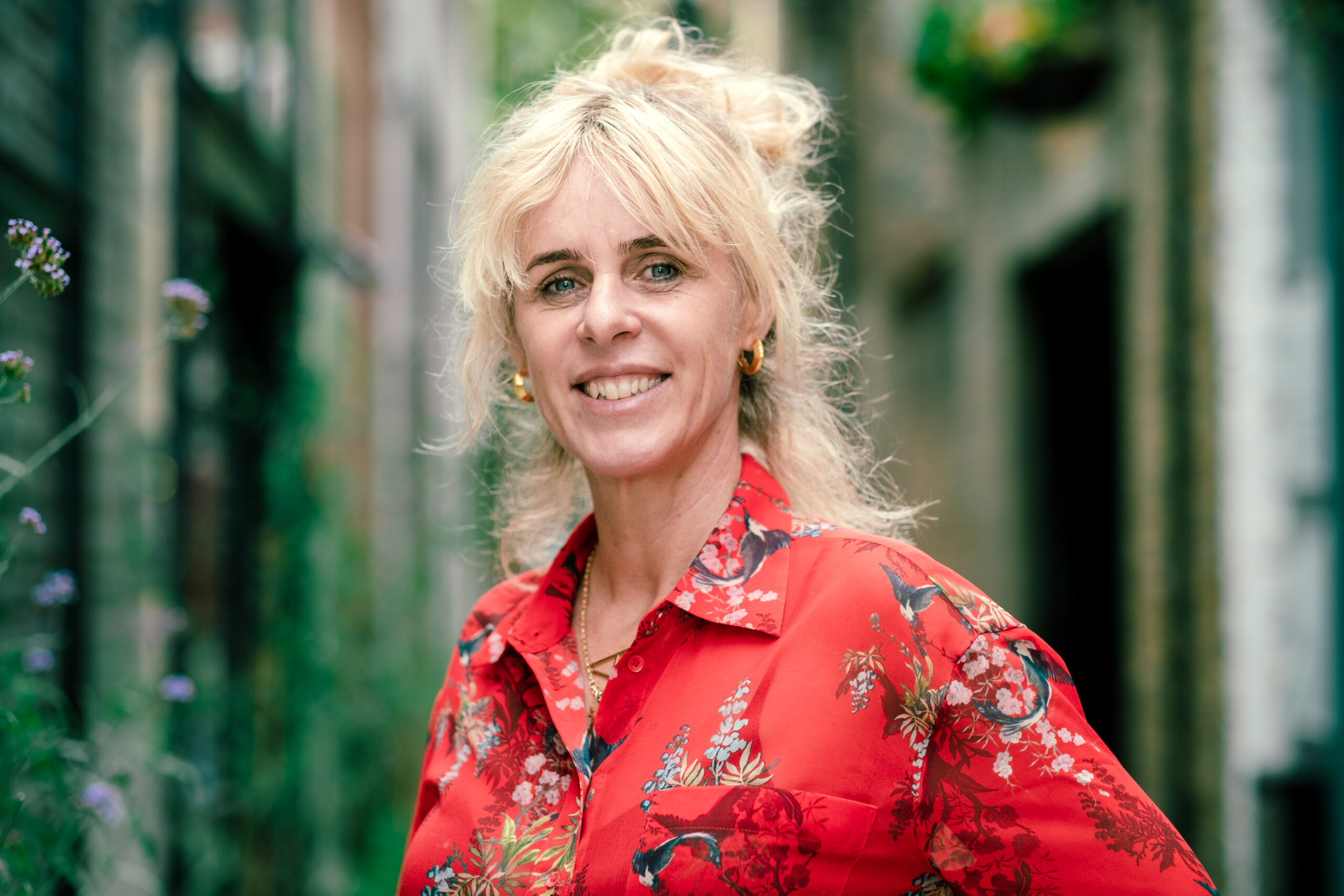
In this latest episode of Data Malarkey – the podcast about using data, smarter – Master Data Storyteller, Sam Knowles, speaks with Ali Hanan, the Founder and Executive Director of Creative Equals. Ali’s work centres on a simple but powerful idea: that inclusion is not just a moral aspiration but a driver of commercial performance. She calls this “the new ROI” – Return on Inclusion.
Ali’s starting point is the creative process itself. When she began her career at Ogilvy, just three per cent of the world’s creative directors were women. Even today, despite progress, the creative leadership of advertising remains far from representative of the audiences that brands serve. For Ali, this matters because who makes the work shapes the work. If the perspectives around the table are narrow, the stories told to audiences will be too.
Powerful impact of “the new ROI”
Return on Inclusion reframes the issue in commercial terms. Drawing on a large study by the Unstereotype Alliance covering 372 brands across 54 countries, Ali highlights striking performance data. Inclusive advertising can deliver a 3% sales uplift in the short term but more than 16% over 18 months. It can also increase pricing power by more than half, boost brand consideration by a third, and improve customer loyalty by more than 60%. In a competitive marketplace and a volatile, uncertain world where the source of growth is often not immediately clear, these uplift figures are hard to ignore.
Adland: out of step with its audiences?
Yet the UK advertising industry still fails to reflect the population it serves. Only one in 20 ads feature people over 50, despite that group making up nearly 40% of the population and holding £145bn of wealth. Just 2% of ads include people with disabilities, even though disabled consumers contribute an estimated £274bn to the economy. Muslim consumers represent a rapidly growing demographic, yet only a small proportion say they see themselves represented in any advertising.
£800bn left on the table
For Ali, the missed opportunity is enormous. Across multiple under-represented groups, Creative Equals estimates that brands are overlooking around £800bn in economic potential. Her argument is deliberately provocative: if advertising fails to engage these audiences properly, it may be holding back growth not just for brands but for the wider UK economy.
Representation, however, is only the starting point. Creative Equals distinguishes between three levels of inclusion in advertising. The first is “do no harm”: avoiding outdated stereotypes or offensive portrayals. The second is simple representation, where different audiences appear in advertising. But the most powerful level is “positive portrayal”, where people are shown with authority, agency, and expertise.
The power of “positive portrayal”
Ali argues that this shift matters commercially. In work Creative Equals has conducted with brands, simple representation might deliver a modest sales uplift, but positive portrayal can produce significantly stronger results. Ads that feature unexpected characters or perspectives also stand out more, increasing recall and memorability.
Delivering this requires changes behind the scenes as well as on screen. Teams must rethink audience insights, challenge institutional biases, and examine the personas and assumptions that shape campaigns. Creative Equals often analyses a brand’s previous communications through an inclusion lens to reveal gaps and opportunities that may not be visible internally.
Not another unintended consequence of AI, surely?
Artificial intelligence adds a further complication. Because AI models are trained on historical data – by coders often from just a single demographic (young white men) – they frequently reproduce existing biases. Ali argues that marketers need to develop “inclusive prompting” skills and maintain human oversight to avoid reinforcing stereotypes in automated outputs.
Summing up
Ultimately, Ali’s argument is pragmatic rather than ideological. Inclusion, she says, is not simply about doing the right thing – although that matters too. It’s about understanding audiences properly, telling richer stories, and unlocking growth. In that sense, Return on Inclusion may be one of the most commercially relevant ideas in modern marketing.
—
The first draft of this blog was written by ChatGPT, using a transcript of the episode and an ever-refined prompt. It was then edited by real humans.